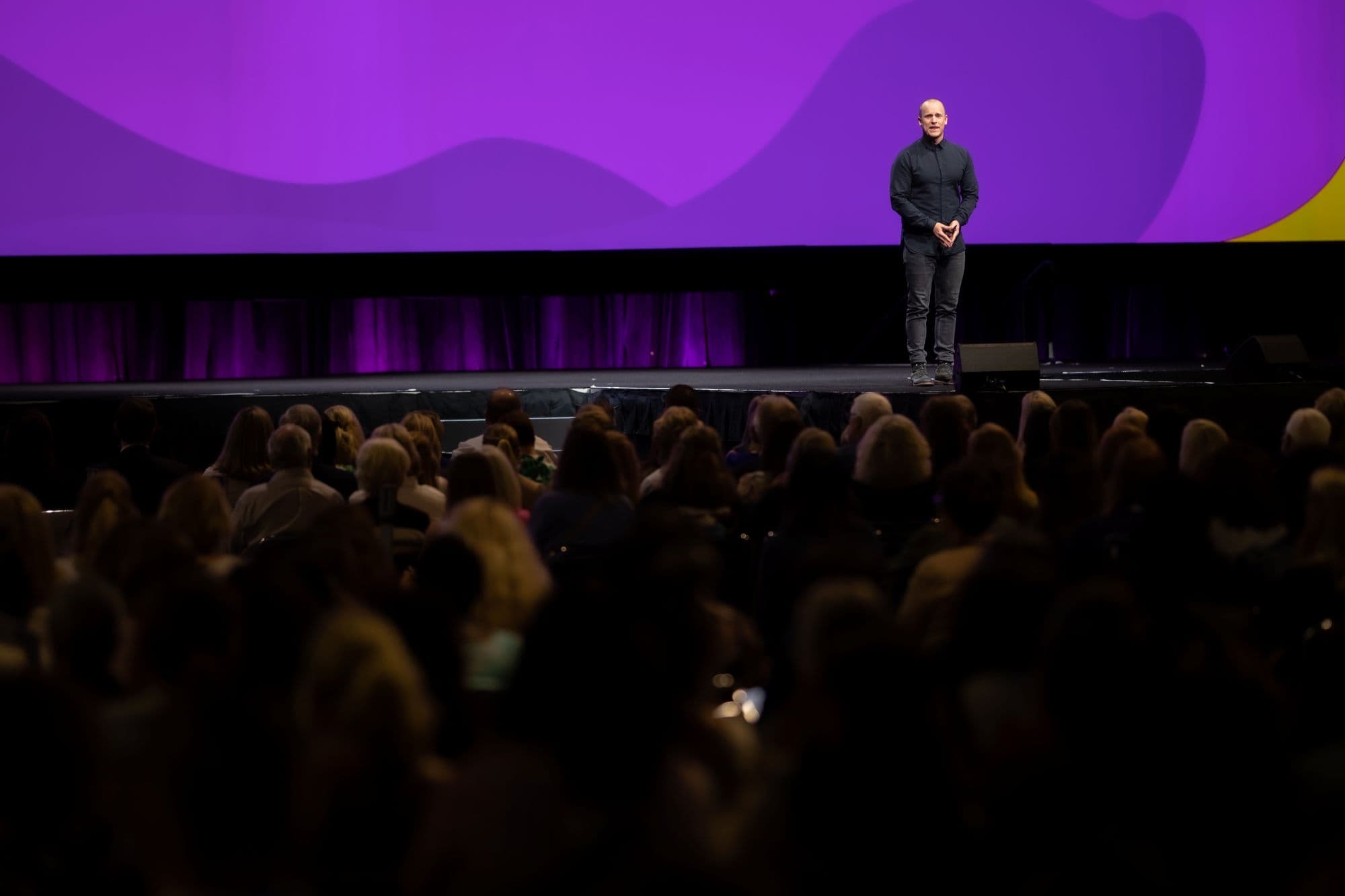
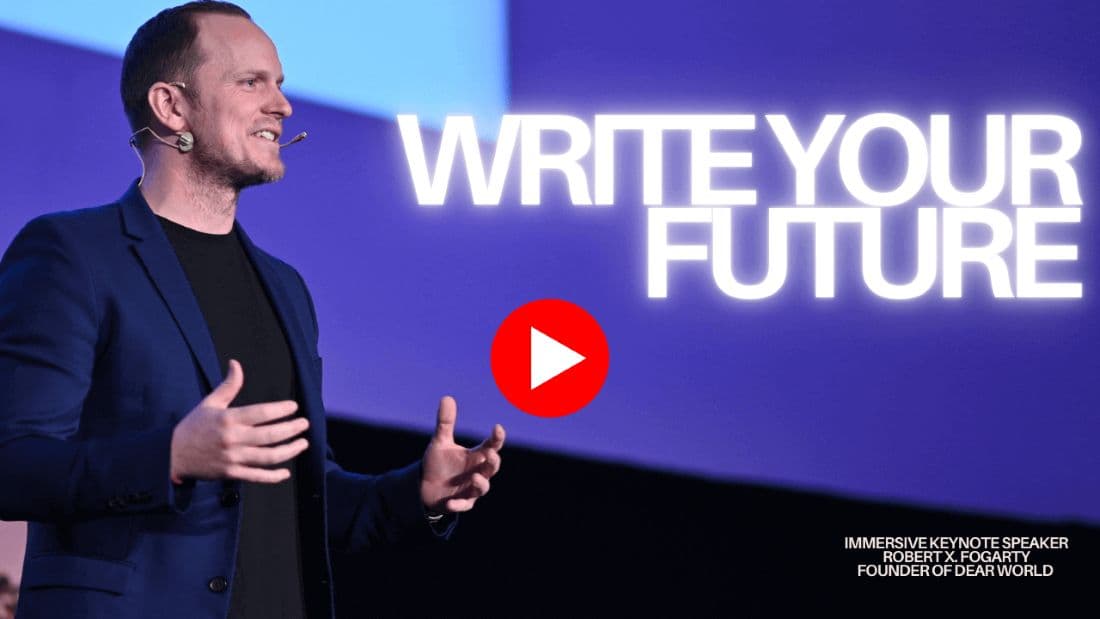
Robert X. Fogarty is one of the most booked interactive keynote speakers in the world, a photographer, and the founder of Dear World, a storytelling organization that has captured over one million personal stories from people around the world. His work has been published by Oprah, USA Today, and ESPN.
His story starts far from a stage. Robert grew up in Nebraska, the son of an artist and an attorney, and studied journalism at the University of Oregon. After graduating in 2005, he took a sales job in New York City. It didn't fit. "I had my tail handed to me," he says. He left New York and headed to New Orleans as an AmeriCorps volunteer, arriving to help a city still rebuilding after Hurricane Katrina.
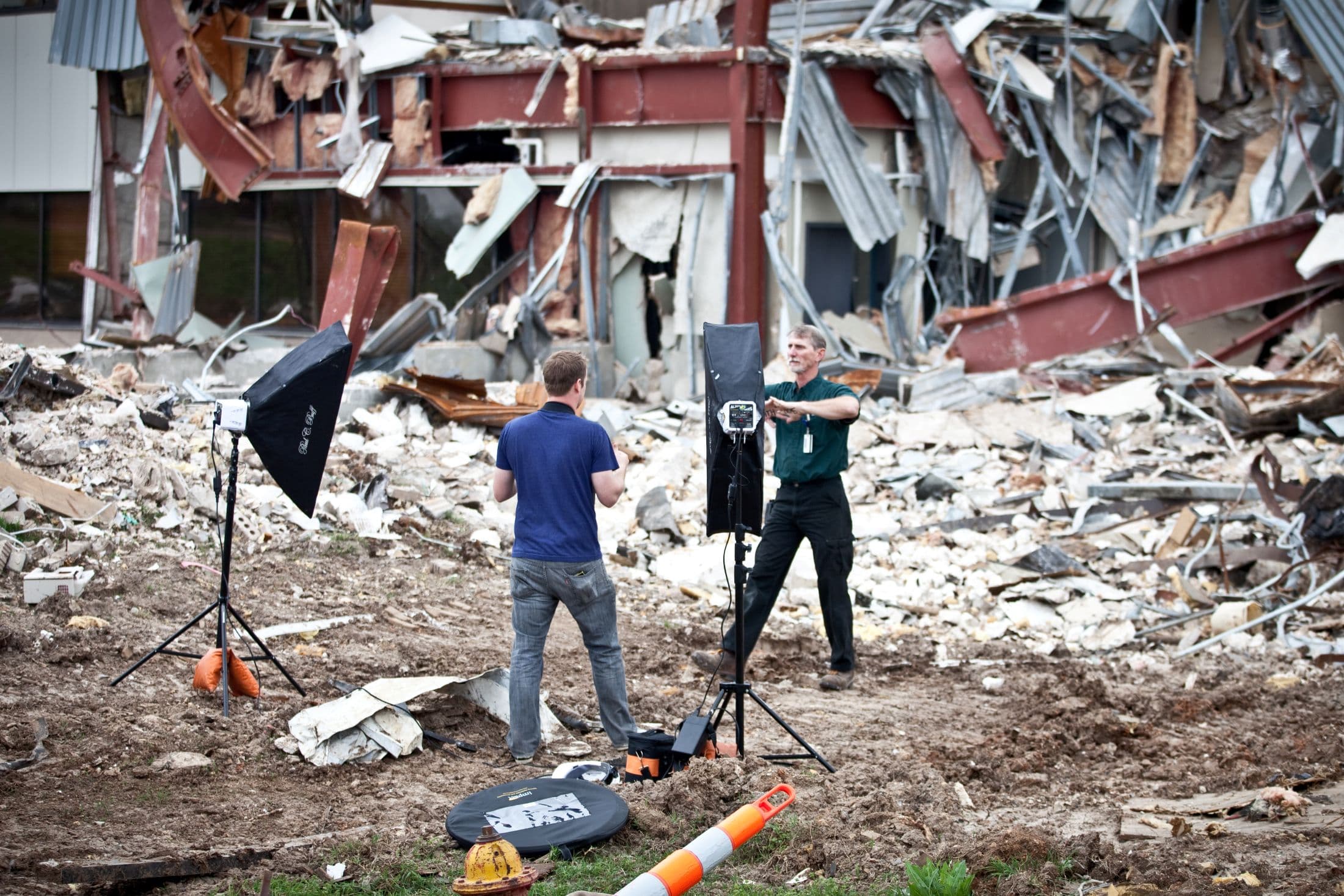
That work turned into Evacuteer, a nonprofit Robert co-founded to train volunteers for citywide evacuations. The organization eventually placed public art landmarks called Evacuspots at pickup points across New Orleans, so residents without transportation would know exactly where to go in an emergency.
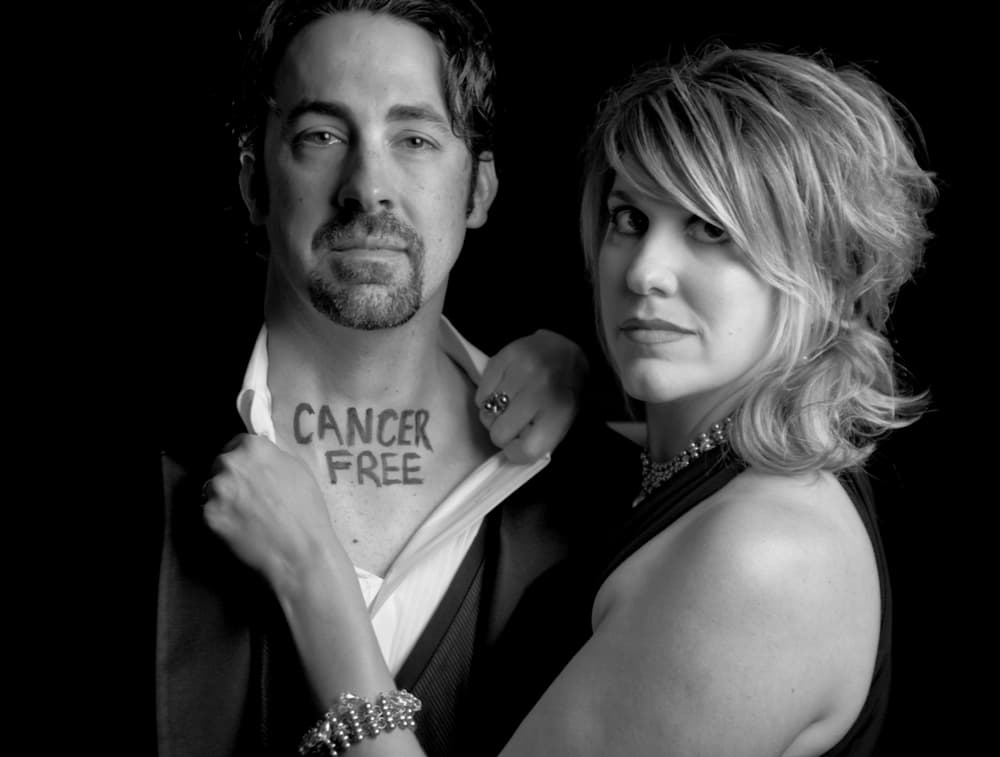
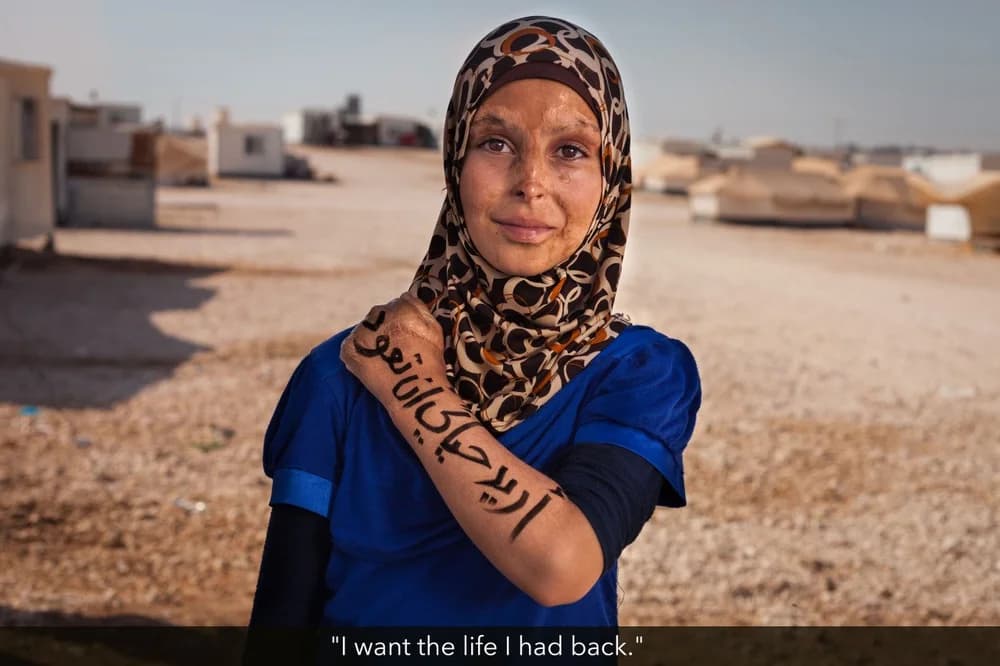
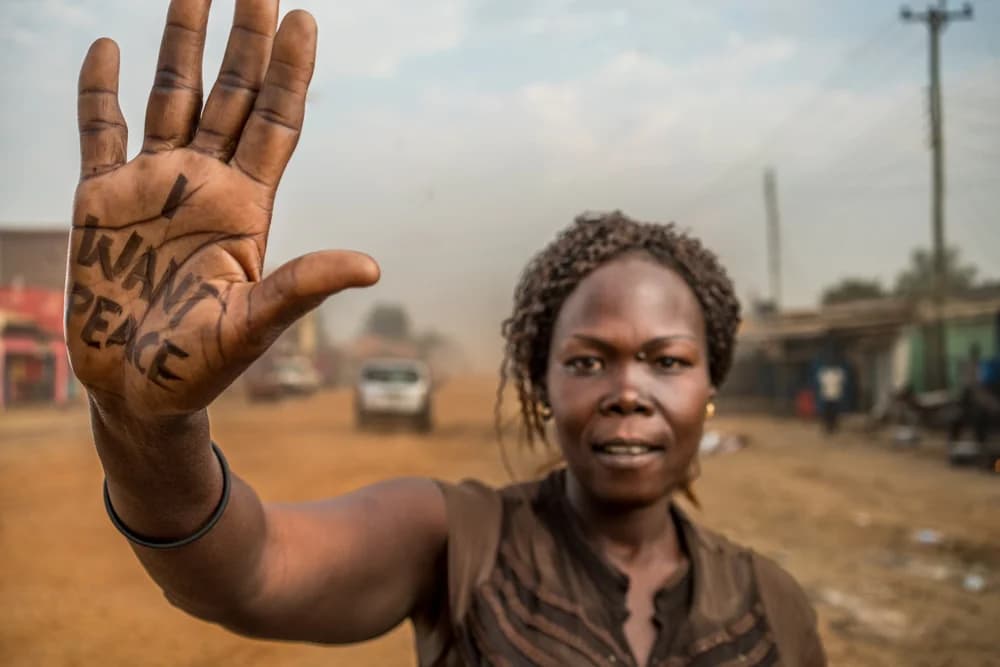
Dear World began almost by accident. At a 2010 fundraiser the night the Saints won the Super Bowl, Robert asked people to write a message on their skin about why they loved New Orleans, then photographed them. One night, a man wrote something different: "cancer free." That single moment changed the direction of the project. Robert realized people didn't just want to celebrate a city. They wanted to tell their own story.
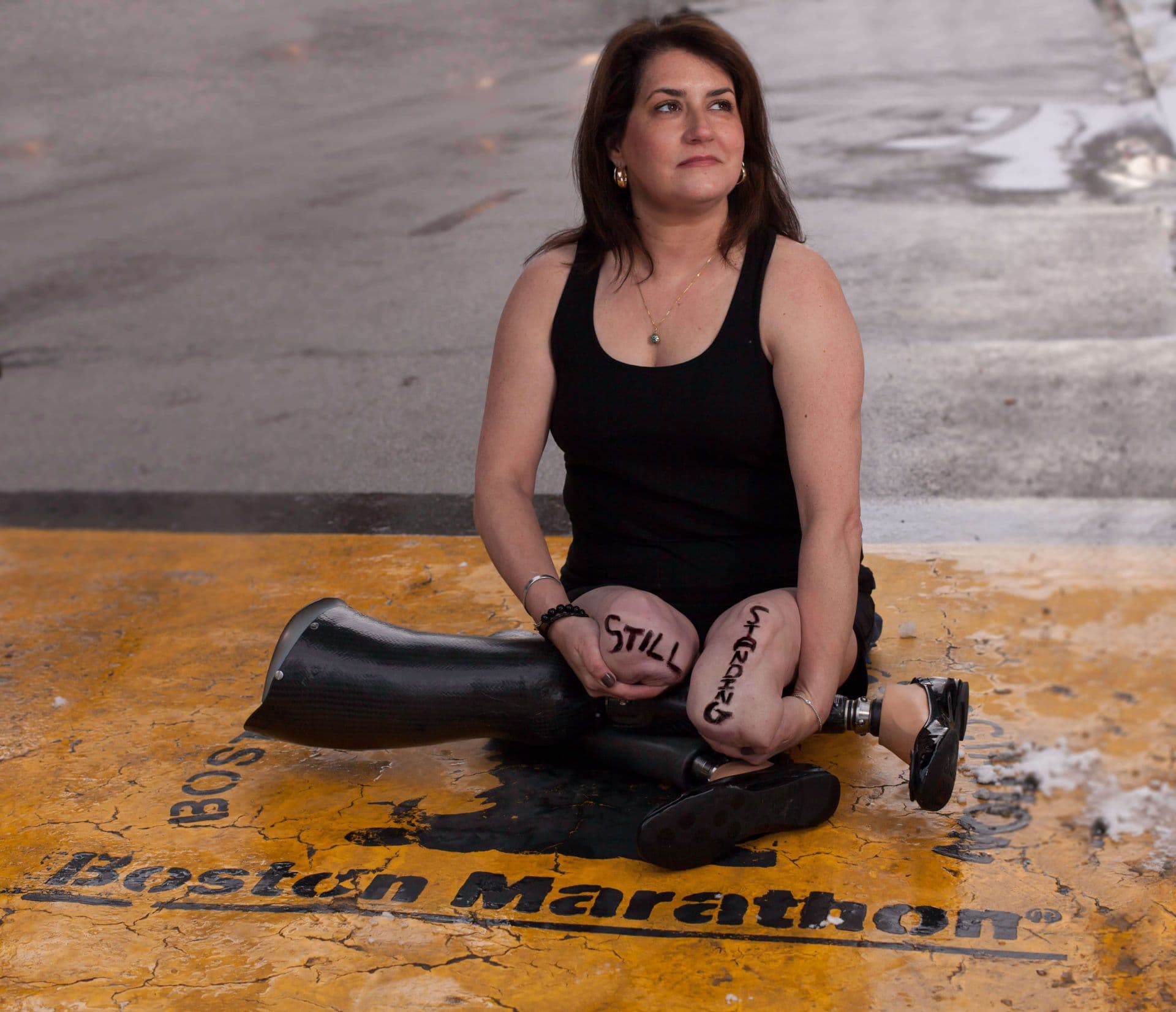
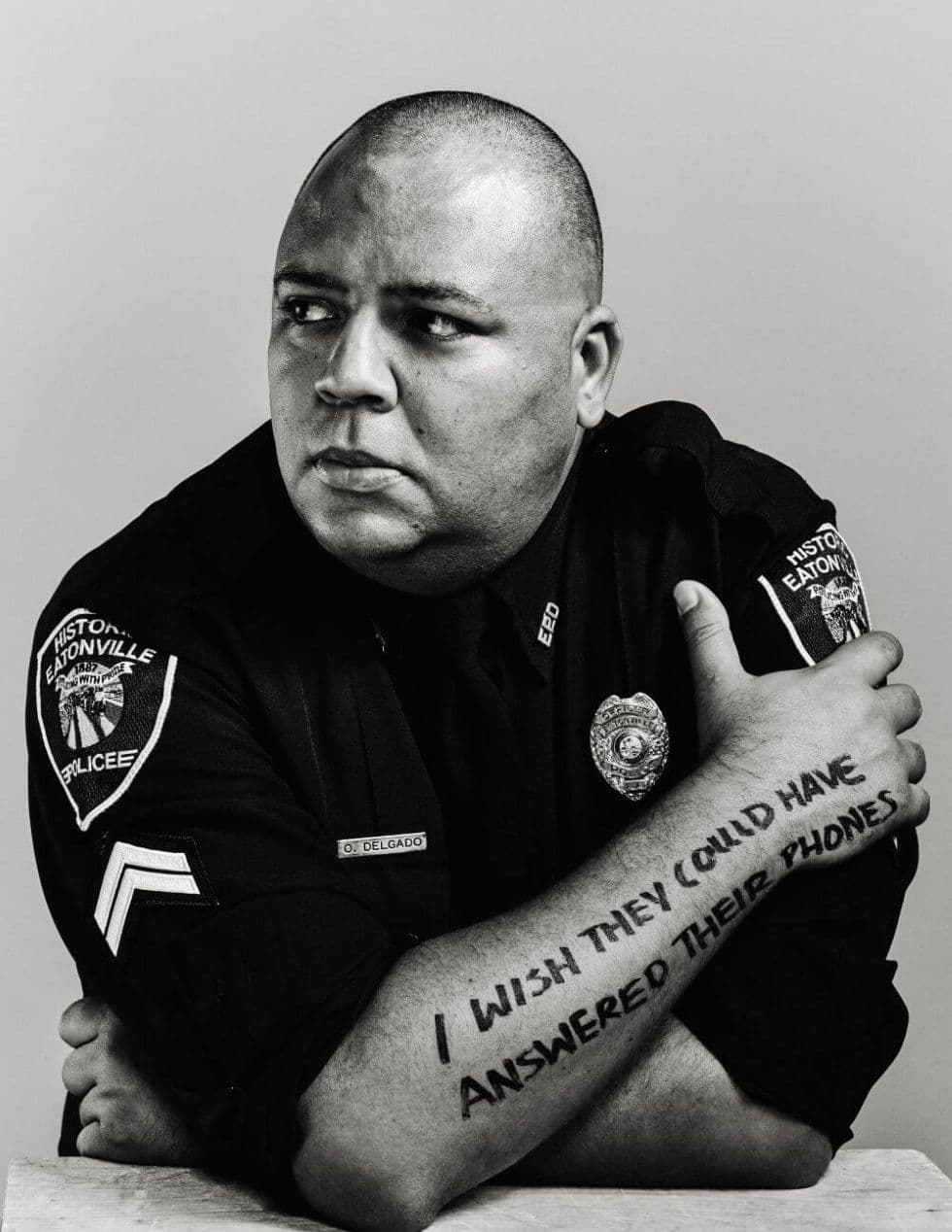
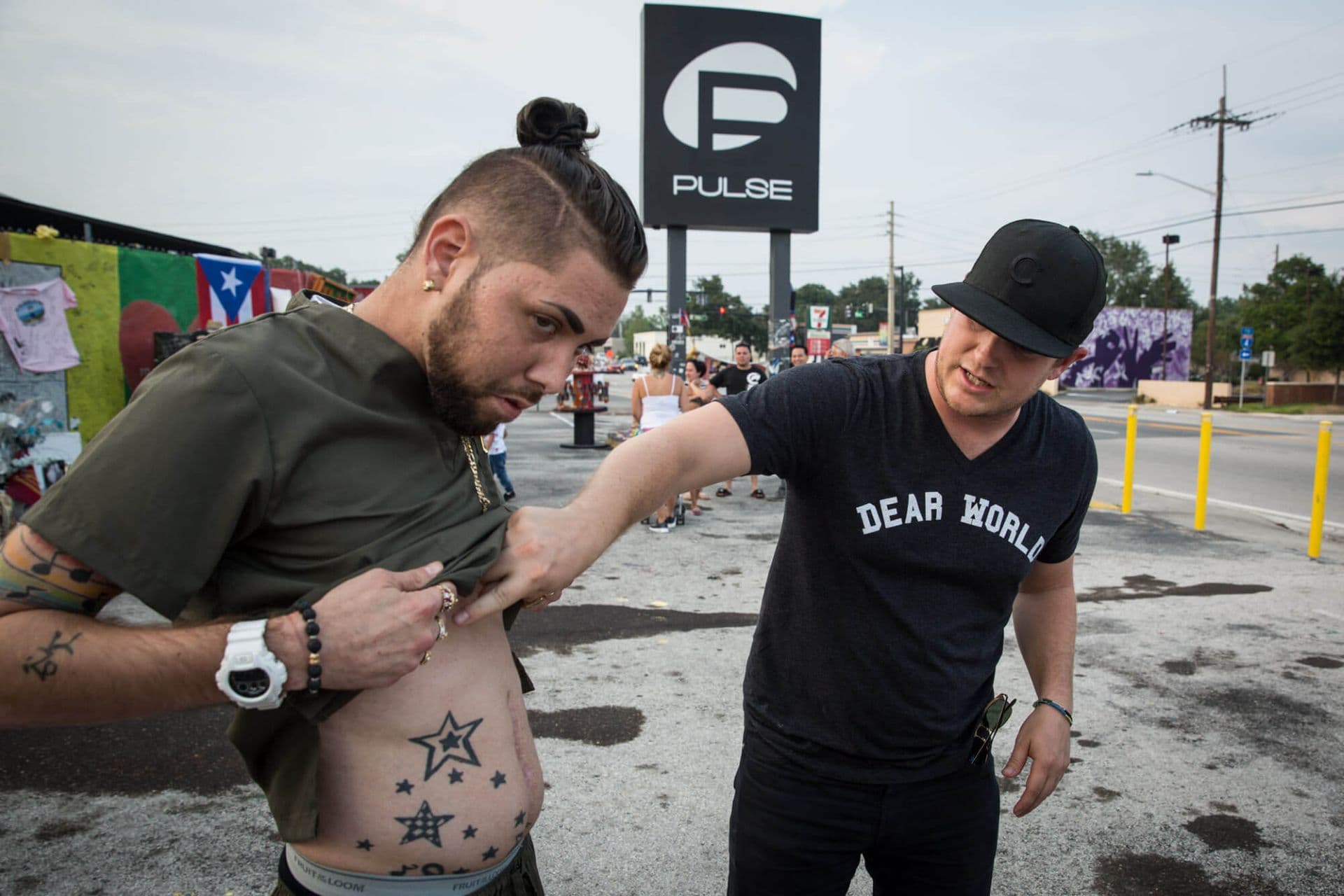
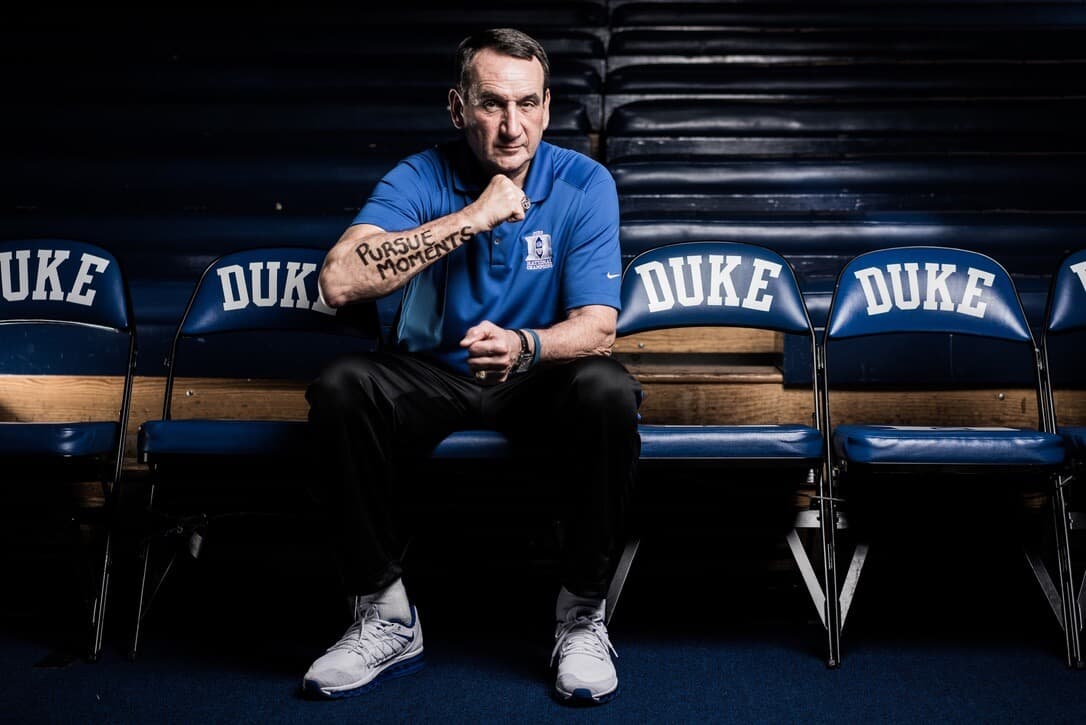
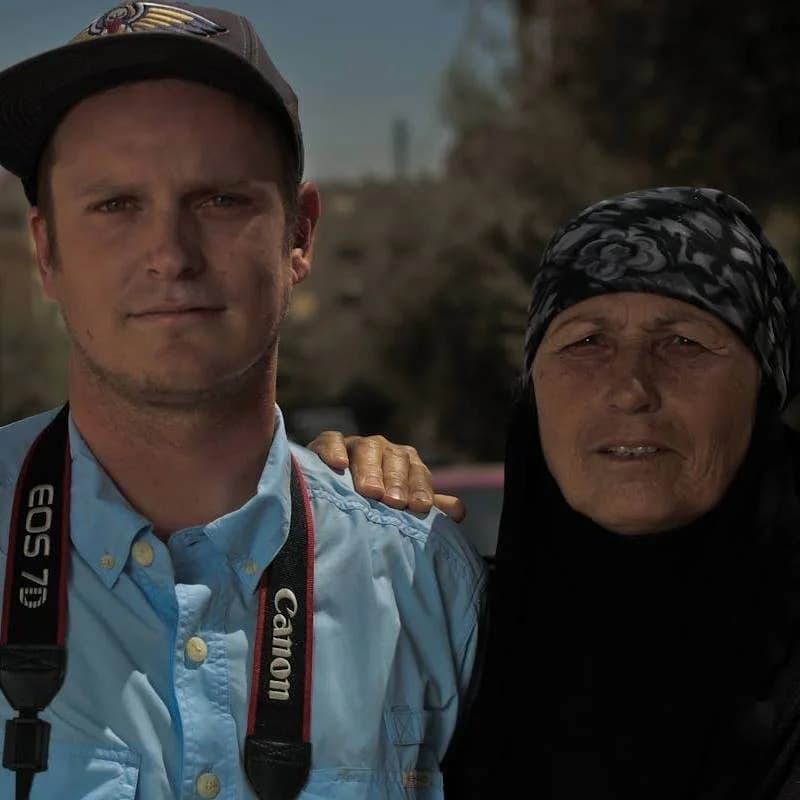
From there, Dear World grew into something much bigger than New Orleans. Robert has photographed Boston Marathon bombing survivors, Syrian refugees, Pulse nightclub survivors, South Sudanese peace activists, and COVID ICU nurses. He's worked with the Duke men's basketball team, Harvard, Stanford, Google, Microsoft, Fidelity, and Accenture, among many others.
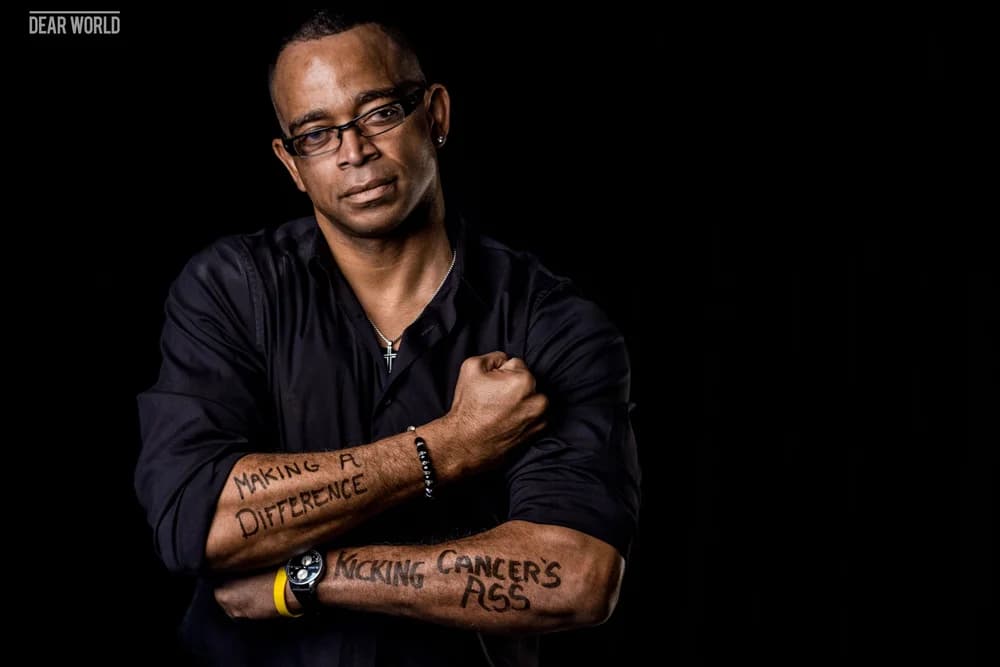
One of his portraits became a lasting tribute. His photograph of ESPN anchor Stuart Scott, taken as part of the Dear World project, was chosen as the cover of Scott's posthumous memoir, "Every Day I Fight," with the words "Making a difference, kicking cancer's ass" written across his arms.
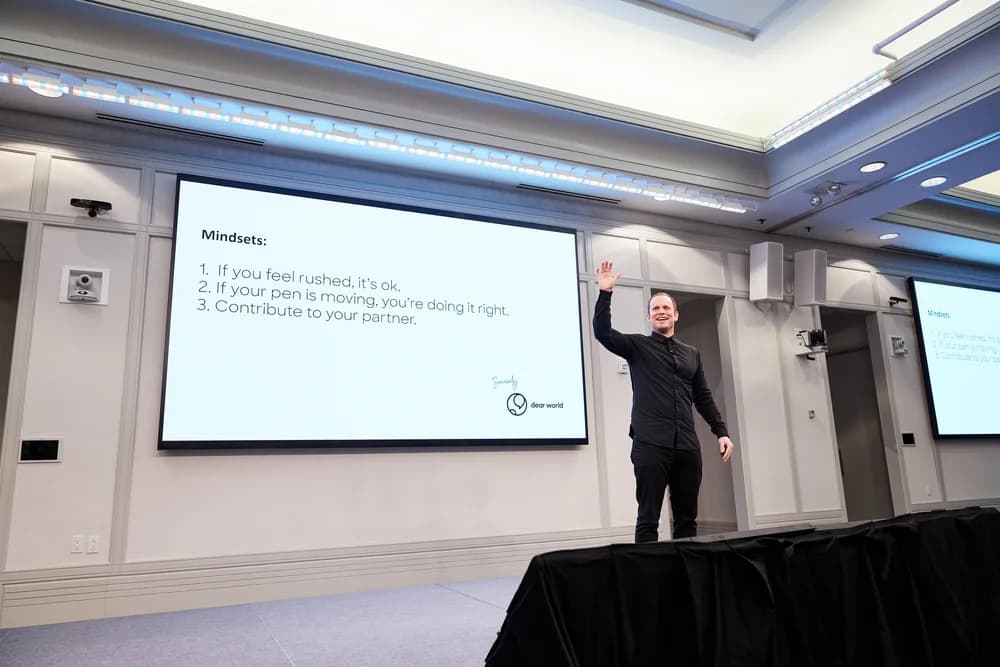
Robert broke into the speaking industry by doing something no one else was doing. Instead of ending his talks with a table and a stack of books to sign, he ends them with a camera. Attendees write their own message to the world on their skin, and Robert photographs them, one by one, right after he steps off stage. It became the foundation of the Brain Tattoo Method, and it's still how every one of his keynotes ends today.
The impact tends to outlast the room. Many participants describe the experience as life changing, and some have gone on to have their message tattooed permanently on their skin, a way of carrying the moment with them long after the marker fades.
Today, Robert speaks and facilitates storytelling experiences for companies, nonprofits, and associations around the world, but the core of what he does hasn't changed since that night in New Orleans. He believes people already carry the stories that matter most. His job is just to help them find the words.